 BeeHome Collective · Relocation Buyer Guide
New City · New Chapter · You Belong Here
Honey, You're
About to Land
Somewhere Amazing.
Your complete guide to buying a home in a new city.
Moving to a completely new place, a city you may have never visited, a community where you don't know a single soul, is one of the most courageous things a person can do. It's also one of the most exciting adventures you'll ever take. This guide is for you. Every page is written to help you land confidently, find your neighborhood, buy your home, and build the life you're moving toward.
Honey, You've Got This and Here's Why.
Let's name the feeling you're probably carrying right now: excitement mixed with a healthy dose of "what am I doing?" That combination is completely normal and it's actually a sign you're taking this seriously.
Here's what I want you to know: every person who has ever moved to an unfamiliar city felt exactly the way you do right now. And the overwhelming majority of them look back on that move as one of the best decisions of their lives. New communities, new friendships, new perspectives a new hometown has a way of becoming home faster than you'd ever expect.
"I've moved 18 times. I know what it feels like to arrive somewhere completely unfamiliar and have to build everything from scratch. I also know how quickly a new place can become home when you have the right support around you and that's exactly what I'm here to be."
The key to a successful relocation isn't having everything figured out before you go. It's having a plan, a team, and the willingness to explore. This guide gives you the plan. Amy and the BeeHome Collective give you the team. The rest the exploring that's the good part.
"Buying a home in a city you don't know yet can feel daunting. But here's the truth: you don't need to know the city to make a smart decision. You just need the right people in your corner who do."
How to Research a New City from Afar.
You don't need to visit before you research. The internet gives you more access to a new city than you might think, and being informed before your first visit makes that visit infinitely more productive.
Research the metro area first: cost of living, job market, climate, and culture. Sites like Niche.com, AreaVibes.com, and BestPlaces.net give detailed livability scores and comparisons.
Join local Facebook groups, Reddit communities (r/[cityname]), and Nextdoor for the city you're moving to. Ask real residents what they love and what they'd change about the city.
YouTube has incredible neighborhood walkthrough videos for most cities. Drive.google.com lets you virtually "walk" streets in Google Street View. Spend an evening exploring neighborhoods without leaving your couch.
Even if you don't have children, school district quality drives home values. Use GreatSchools.org and SchoolDigger.com. Strong school districts protect your investment and tend to have more engaged communities.
Use Google Maps to test commute times from potential neighborhoods to your workplace at different times of day. Many cities have wildly different traffic patterns. A 10-mile commute can be 20 minutes or 90 depending on the route and hour.
NerdWallet, CNN Money's cost of living calculator, and Numbeo.com let you compare your current city to your destination. Factor in state income tax, property tax, and housing costs. They vary dramatically by state.
"Before your first scouting trip, reach out to me. I'll connect you with one of our trusted local Realtors in your destination city who can give you an honest, insider's view of the market and neighborhoods before you ever board a plane."
Finding Your Neighborhood.
The neighborhood you choose will shape your daily life, your friendships, your commute, and your sense of community. This is one of the most important decisions in a relocation and it's one that deserves serious thought and real local knowledge.
Questions to Ask Before You Choose
Types of Neighborhoods Which Fits You?
Mature trees, quiet streets, good schools, and strong community infrastructure. Ideal for families. Typically higher home prices with stable values. Less nightlife but excellent quality of life.
Investment opportunity meets walkable lifestyle. New restaurants, galleries, and coffee shops signal an improving area. Higher growth potential but more uncertainty exists. Research carefully.
Everything within walking distance. Vibrant, social, and convenient. Higher price per square foot and can be loud. Excellent for young professionals or empty nesters who prioritize lifestyle over space.
Space, privacy, and lower prices per square foot. Expect longer commutes and possibly well and septic instead of city utilities. Strong sense of community and connection to the land. Slower pace of life.
The Best Tools & Resources for Relocation Research.
These are the resources that actually tell you what it's like to live somewhere,, not just what it's like to visit.
Browse active listings, sold prices, and market trends. Use the map view to compare neighborhoods visually. Redfin's "walk score" and neighborhood stats are particularly useful.
zillow.com · realtor.com · redfin.comDetailed ratings and reviews for every public and private school. Draw school boundary maps to see exactly which schools serve which addresses.
greatschools.orgRankings and grades for neighborhoods, cities, and schools. Particularly good for lifestyle factors like best places for families, young professionals, or retirees.
niche.comVirtually walk the streets of any neighborhood. Check the condition of homes, nearby businesses, and the general character of the area before you visit in person.
maps.google.comThe most honest, unfiltered local perspective you'll find. Search r/[cityname] or r/[cityname]moving for insider advice from actual residents.
reddit.com/r/[cityname]Check average temperatures, precipitation, and seasonal extremes for your destination city. Weather affects lifestyle more than most people anticipate before relocating.
weather.com · usclimatedata.comRates any address on walkability, transit access, and bike-friendliness. Essential if you value being able to get around without a car.
walkscore.comState and metro-level health rankings, hospital quality scores, and healthcare access data. Important if healthcare proximity matters to your decision.
health.usnews.comBefore you move, join local hobby groups, newcomer groups, and community organizations in your destination city. Building social connections before you arrive makes the transition dramatically easier.
meetup.comThe Scouting Trip How to Use It Wisely.
If you can visit before you buy even for one weekend make it purposeful. A well-planned scouting trip can answer more questions than months of online research.
Research 3 5 potential neighborhoods in advance. Make a list of specific streets, intersections, and addresses you want to see. Schedule a meeting with a local Realtor. Book accommodations in a neighborhood you're seriously considering you'll experience it like a local, not a tourist.
Drive your target neighborhoods at different times. Walk the streets. Visit the coffee shops, grocery stores, and parks. Eat at a local restaurant. Talk to people. Notice what feels right and what doesn't. Your gut is valuable data.
Tour homes with your Realtor. Even if nothing is perfect, touring real homes in your price range calibrates your expectations and helps you understand the market. Note what you'd need to compromise on and what's non-negotiable.
At the end of your trip, ask yourself: could I see myself living here? Could I build a life here? The answer doesn't have to be a confident yes. It just needs to be "I think so" because belonging is built over time, not on a scouting trip.
Buying a Home Remotely What You Need to Know.
Sometimes life doesn't give you time for a scouting trip. Job start dates, lease expirations, and family timelines mean many relocation buyers purchase a home they've only seen on a screen. It happens every day and it can absolutely work with the right team.
Request a live FaceTime or Zoom walkthrough from your Realtor. Have them open every closet, check the basement, look out every window. Ask them to narrate honestly, not just show you the highlights. A good Realtor will flag concerns, not hide them.
Order a thorough home inspection and ask the inspector to be detailed in their report. Consider a sewer scope, radon test, and structural inspection. The cost is worth it when you can't see the home in person before going under contract.
If you can't attend closing in person, you can designate a trusted person to sign on your behalf through a Power of Attorney. Amy and your Realtor can help coordinate a remote closing with your title company.
Remote buying requires you to trust the people on the ground. This is why Amy's Realtor network matters she only refers people she personally vouches for. When you can't be there, they're your eyes, ears, and honest voice.
"I've helped many relocation buyers close on homes they'd only seen on a screen. The key is having the right Realtor someone who will tell you the truth,, not just close the deal. I'll connect you with exactly that person."
Getting Your Finances Ready for a Relocation Purchase.
Relocation adds a layer of complexity to the mortgage process especially if you're changing jobs, crossing state lines, or selling a home at the same time. Here's what to know.
Starting a new job in your new city? In many cases, a signed employment offer letter is sufficient for loan qualification. You don't need to have started yet. The key is same industry or better pay. Amy will verify your specific situation and guide you on timing.
If you're selling before buying, the equity from your sale may fund your down payment. If you're buying before selling, Amy can structure your financing to account for your existing home's equity, bridging the gap smoothly.
Amy is licensed in Washington, California, Arizona, and Florida the most common relocation destinations for military and civilian families. One lender, regardless of which state you're moving to or from.
In competitive markets, homes go fast. Having your pre-approval done before your scouting trip means you can make an offer on the spot if you find the right home no waiting, no losing out.
Build Your Relocation Team Before You Move.
A successful relocation doesn't happen in isolation. The people you have around you both before and after the move make all the difference.
A lender who knows relocation nuances, is licensed in your destination state, and can move fast. Pre-approval before the trip. Seamless closing from a distance if needed. This is what Amy is built for.
Your most important on-the-ground resource. Amy will connect you with a trusted, vetted Realtor in your destination city someone who gives you honest guidance,, not just what you want to hear.
This is especially important for remote buyers. Your Realtor will recommend a thorough, independent inspector. Review their report carefully it's your last chance to negotiate before you own the problems.
In some states, an attorney is required at closing. In others, it's optional but recommended. Ask your Realtor what's standard in your destination state.
Book early, especially for peak summer moves. Get at least three quotes. Check reviews on the FMCSA (fmcsa.dot.gov) database to verify legitimacy and avoid moving scams.
Before you move, join at least one local group a gym, a club, a volunteer organization, a place of worship. Having even one connection ready when you arrive changes everything about how quickly you settle in.
Finding Belonging in a New Hometown.
The house is just the beginning. The life you build inside and around it the neighbors you meet, the routines you develop, the community you become part of that's what makes a city feel like home.
Belonging doesn't happen automatically. It's built through small, intentional acts of showing up. Here's how.
"Home is not a place. It's the feeling you get when you walk into your neighborhood coffee shop and the barista already knows your order. It's built one small interaction at a time and it happens faster than you'd think if you show up with an open heart."
Knock on your neighbors' doors within the first week. Bring something small coffee, cookies, a note. You don't need to be best friends with your neighbors, but knowing their names and faces transforms a house into a neighborhood.
A "third place" is somewhere that's not home and not work a coffee shop, a gym, a library, a park. Regulars at a third place become community faster than almost anything else. Find yours within the first month.
For the first six months, say yes to social invitations, even when you don't feel like it. The connections that become friendships often start with the event you almost skipped.
Volunteering puts you in contact with the best people in any community the ones who show up for others. Local food banks, community gardens, school events, and neighborhood associations are great starting points.
Ways to Find Your Community
Settling In Tips for the First 90 Days.
The first three months in a new city are the most intense logistically, emotionally, and socially. Here's what to prioritize, what to expect, and how to give yourself grace through the transition.
Change your address with USPS, your bank, employer, and subscriptions. Update your driver's license within the legally required time frame (varies by state typically 30 90 days). Register your car in the new state. Connect utilities.
Find a primary care doctor, dentist, and any specialists before you need them. Ask neighbors and local groups for recommendations people who've lived somewhere for years know the best providers in the area.
Give yourself one new exploration per week. A different neighborhood, a new restaurant, a local park, a weekend farmers market. Don't wait to feel settled before exploring exploring is how you get settled.
It's normal to feel homesick, overwhelmed, or uncertain around the 6 8 week mark. Research calls this the "relocation dip." It passes. Stay the course, keep showing up, and give the new city a full season before you make any judgments.
"There will be a day maybe week six, maybe month three when you wonder if you made a mistake. Every person who has ever moved to a new city has had that day. It is not a sign that you made the wrong choice. It is a sign that you are building something real. Keep going."
"As someone who has moved 18 times, I can tell you with certainty: the city that felt completely foreign in month two became a place I loved deeply by month six. Give it time. Give it your full self. It will give back."
Start Your Relocation Journey with Amy.
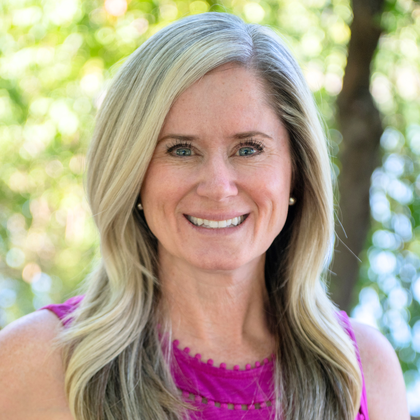
"Wherever you're headed, I've probably helped someone get there. Licensed in Washington, California, Arizona, and Florida and deeply connected to local real estate professionals in each market. You don't have to figure out a new city alone."
Amy has personally relocated 18 times and understands the emotional and logistical weight of buying a home in an unfamiliar place. She connects relocation buyers with trusted local Realtors, navigates multi-state mortgage complexity, and provides guidance that goes far beyond the transaction. She's a real estate investor herself which means she approaches every purchase with long-term wealth in mind,, not just getting you to closing day.
BeeHome Collective